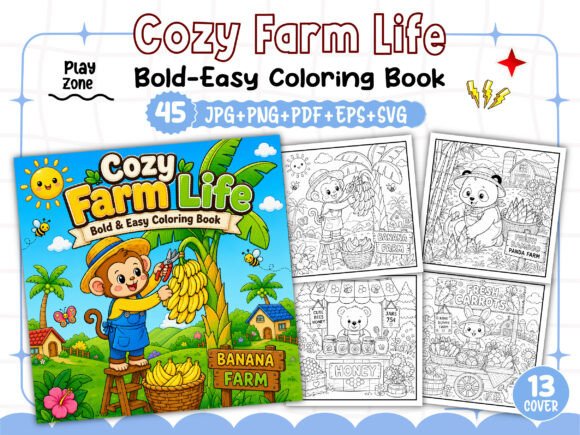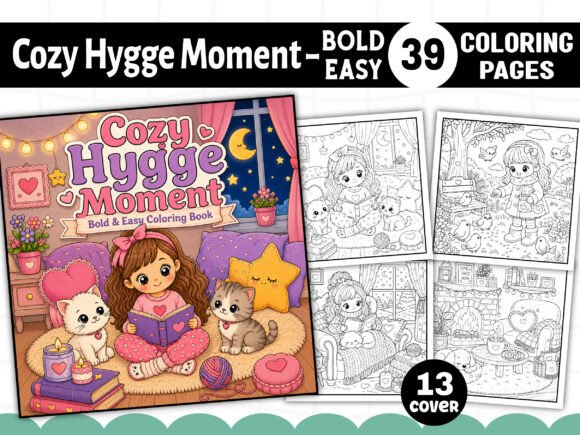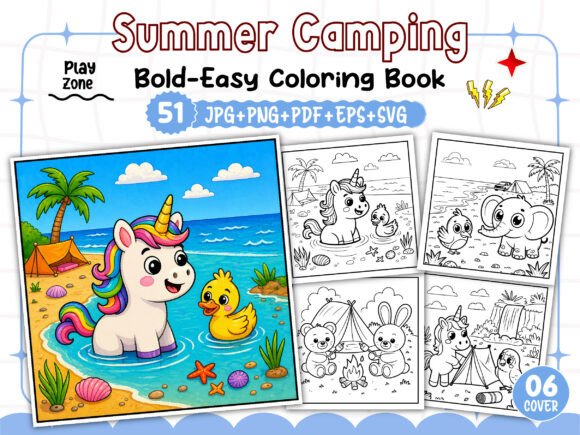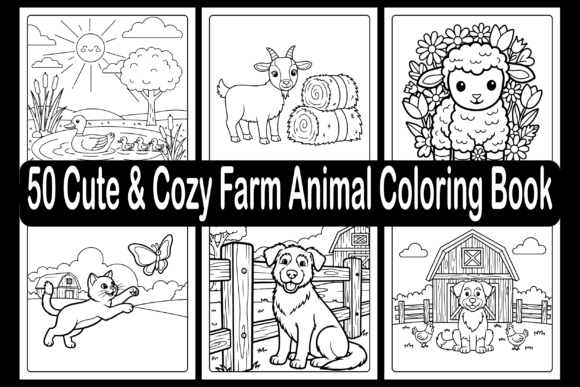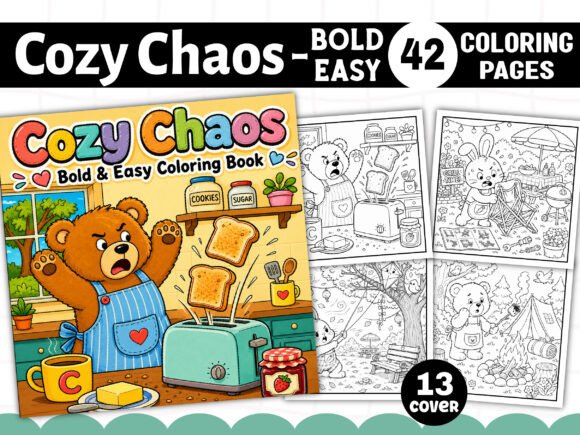
Cozy Chaos Cute Comfy Coloring Book
First Impressions: Warm, Whimsical, and Ready for Real Life
Opening Cozy Chaos Cute Comfy Coloring Book feels like flipping through a sketchbook left on a sunlit kitchen counter—soft lines, gentle curves, and that unmistakable “I want to hug this” energy. It’s not fussy or overly detailed; it leans into relaxed charm with rounded shapes, friendly negative space, and motifs that whisper “slow living” rather than shout “trend alert.” As an embroidery designer who’s stitched everything from boutique baby onesies to Etsy holiday patches, I immediately saw its potential—not as a standalone art print, but as a foundation for thoughtful, tactile handmade products.
A Real Project Test: Embroidering a Linen Tea Towel for a Local Kitchen Shop
Last week, I pulled Cozy Chaos Cute Comfy Coloring Book into my workflow for a custom order: six linen tea towels for a small-town kitchen shop launching their holiday collection. The design I chose featured a sleepy cat curled inside a steaming mug, surrounded by loose doodle-style leaves and tiny hearts—simple enough for hand-guided machine embroidery, yet expressive enough to hold attention at a glance.
What stood out was how naturally the line work translated to stitch. No jagged edges, no frantic micro-details that would vanish under fill stitch or blur on textured fabric. The outlines had just enough weight to read clearly in satin stitch, and the open areas gave breathing room for stabilizer support without overloading the hoop. It stitched cleanly on medium-weight linen—even with light tear-away underneath—and held up beautifully after a gentle machine wash test.
Where This Design Shines (and Where It Asks for Care)
Cozy Chaos Cute Comfy Coloring Book fits seamlessly into projects where warmth and approachability matter most:
- Custom apparel: Works especially well on sweatshirts and oversized tees—its soft proportions scale nicely without looking stiff or pixelated.
- Embroidered patch: Clean outer contours make it ideal for iron-on or sew-on patches on denim jackets or tote bags.
- Baby embroidery: Gentle themes and uncluttered composition suit onesies, burp cloths, and nursery pillow covers—no sharp angles or dense stitching to irritate delicate skin.
- Holiday embroidery: Think cozy mugs, bundled-up animals, and softly drawn snowflakes—perfect for limited-run gift tags, aprons, or ceramic mug sleeves.
- Small shop product: Its handmade aesthetic aligns with artisan branding, helping Etsy sellers and craft fair vendors stand out without leaning on clichés.
That said, it’s not universally forgiving. Use caution on:
- Curved surfaces like caps or beanies—simplify or resize if the original layout includes tight clusters of elements near the edge.
- Thin or stretchy fabric (e.g., lightweight cotton voile or jersey): reinforce with cut-away stabilizer and reduce stitch density where possible.
- Dark fabric: test thread colors early—some softer pastel motifs may need slightly higher-contrast thread to retain legibility.
- Products requiring frequent washing (like kitchen towels or baby items): confirm whether your chosen embroidery file version includes optimized underlay and secure jump stitches—this isn’t stated in the product description, so verify before production.
Design Integrity Meets Customer Trust
When customers buy a handmade product, they’re buying intention—not just ink or thread. Cozy Chaos Cute Comfy Coloring Book supports that intention. Its cohesive mood helps maintain brand consistency across a collection—whether you’re building a seasonal line of embroidered pillows or launching a printable mockup series for fellow designers. Because it avoids visual noise, it reads clearly even in thumbnail previews on Etsy or Instagram, boosting buyer engagement without needing flashy filters or forced cropping.
I’ve watched buyers respond more warmly to pieces using designs like this—not because they’re technically complex, but because they feel *considered*. A tote bag with one of these motifs doesn’t scream “mass-produced digital download”; it says, “someone thought about how this would live in your home.” That subtle lift in perceived value? It’s real. And it translates directly to repeat orders and word-of-mouth referrals.
Practical Designer Notes Before You Stitch
Before committing Cozy Chaos Cute Comfy Coloring Book to your next embroidery project, take these steps:
- Test on scrap fabric first—especially if using textured, dark, or delicate materials.
- Check thread color contrast in natural light, not just on screen. What looks balanced digitally can disappear on oat-colored linen.
- Review stitch density manually if possible. High-density fill areas may need reduced density for breathability on baby items or summer apparel.
- Confirm hoop size compatibility. While the coloring book format suggests scalability, some layouts may push standard 4x4 or 5x7 hoops—verify before digitizing or resizing.
- Inspect small details like tiny hearts or whiskers—they’re charming on paper, but may require simplification for reliable satin stitch reproduction.
- Test black-and-white mockups to assess silhouette strength. Strong outlines = stronger finished product.
- Compare light and dark fabric backgrounds side-by-side to guide thread selection and presentation.
- Use proper stabilizer—medium tear-away works for most uses, but switch to cut-away for stretchy knits or heirloom-quality items.
- Confirm licensing terms before selling finished items or bundling as part of a commercial embroidery kit. The listing mentions a .zip file of designs but doesn’t clarify usage rights—always double-check.
Final Thought: A Quietly Versatile Asset
Cozy Chaos Cute Comfy Coloring Book won’t dominate a trade show booth with flash—but it will earn quiet loyalty from customers who recognize care in the curve of a line, the spacing between elements, and the way a design invites touch instead of just sight. For embroidery designers building sustainable craft businesses, it’s less of a “trend piece” and more of a reliable, mood-forward tool—one that supports authenticity over algorithm-chasing, and craftsmanship over clutter. Whether you’re stitching a single personalized gift or scaling a small shop product line, this is the kind of design that makes the process feel human again.