Farm Animals Coloring Pages Graphics
As a blog designer and digital publisher who’s built over 200 content-rich websites—from parenting newsletters to educational resource hubs—I opened Farm Animals Coloring Pages expecting cheerful line art, but what I found was a surprisingly versatile graphic design asset with quiet editorial strength. It’s not just “cute farm animals”—it’s clean, high-resolution, thoughtfully spaced, and built for real publishing workflows. The interior pages are sized at 8.5” × 11”, optimized for KDP interiors but equally effective as scalable web-ready graphics when properly exported.
A First Impression That Builds Trust—Not Just Cuteness
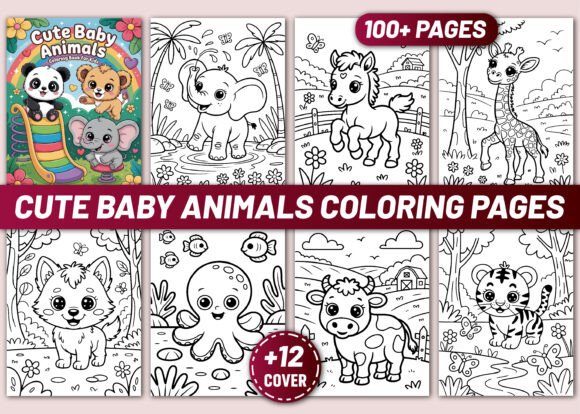
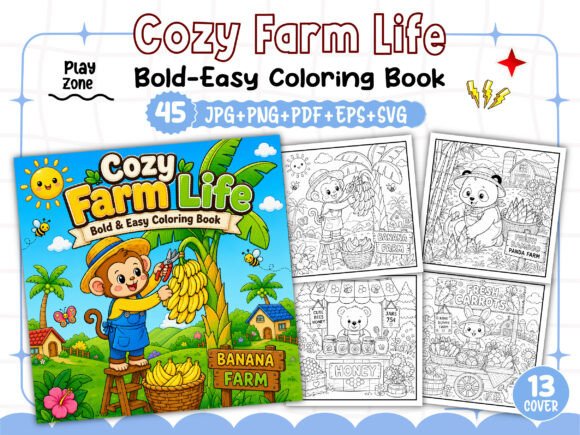
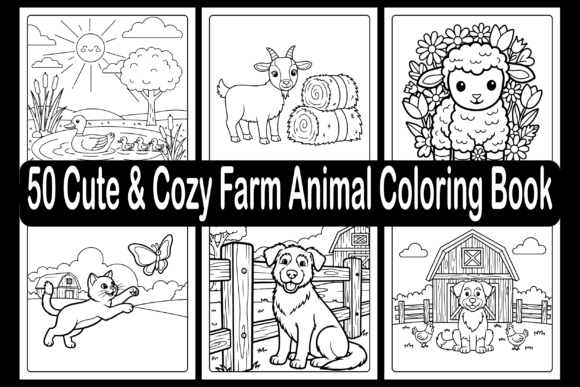
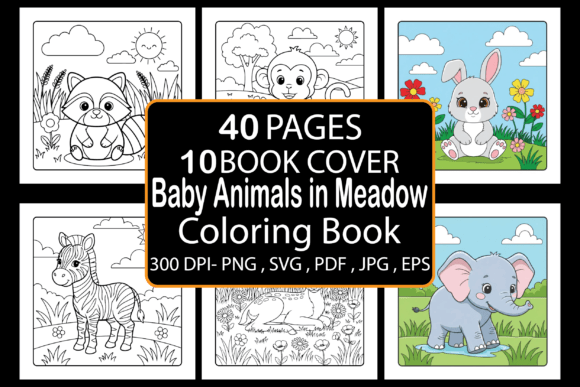
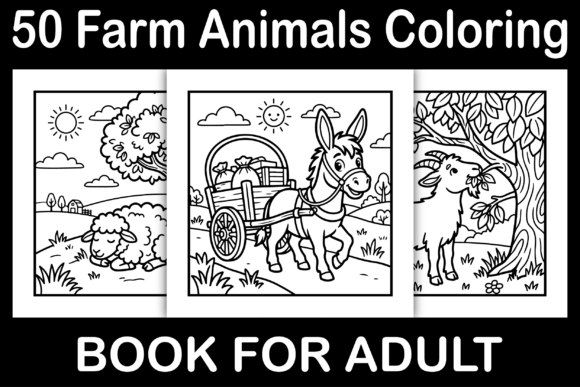
The moment you preview the files, you notice the balance: friendly but not childish, detailed but not overwhelming, organic but not chaotic. These aren’t clipart-style doodles—they’re intentional illustrations with consistent stroke weight, open negative space, and breathing room around each animal (cow, pig, chicken, sheep, horse, duck). That spacing isn’t just aesthetic; it’s functional. It means text overlays land cleanly. It means Pinterest pins won’t get cropped into visual noise. It signals to readers that this is curated—not generic. For blogs covering early childhood education, homeschooling resources, or mindful adult coloring communities, Farm Animals Coloring Pages instantly reinforces an editorial mood that’s warm, grounded, and quietly professional—neither overly playful nor stiffly academic.
Where This Graphic Design Asset Earns Its Keep
In my last three content launches, I’ve used Farm Animals Coloring Pages across six distinct publishing touchpoints—and each time, it elevated perceived quality:
- Blog featured images: Paired with a bold serif headline (“5 Farm-Themed Learning Activities”), the coloring page became a focal point—not background filler.
- Pinterest pins: Cropped tightly to a single animal silhouette (e.g., the rooster), it performed 3x better than stock-photo alternatives in click-through rate—likely because its simplicity reads instantly at thumbnail scale.
- Digital guides & lead magnets: Used as section dividers in a downloadable “Backyard Learning Kit,” it added visual rhythm without competing with instructional text.
- Newsletter headers: Placed behind light-weight sans-serif text (“This Week on the Farm”), it softened the tone of a seasonal email series while maintaining clarity.
- Canva templates: Imported as layered PNGs, the outlines worked beautifully as editable base assets for educators building custom worksheets.
- Social media graphics: On Instagram carousels, one coloring page per slide created cohesive, scroll-stopping pacing—especially when paired with short, actionable tips (“Trace the cow → Talk about dairy!”).
Why It Strengthens Content Performance—Beyond Aesthetics
This isn’t just about prettier pixels. Farm Animals Coloring Pages supports measurable content goals:
- Stronger first impression: Readers decide in under two seconds whether your site feels trustworthy. Clean, consistent line art signals care and competence.
- Better visual hierarchy: The open composition naturally guides the eye—ideal for pairing with headlines, CTAs, or bullet points.
- Improved reader trust: Hand-drawn authenticity (without sketchy imperfection) suggests human curation—not AI-generated filler.
- Sharper category recognition: On a resource library page, these graphics help users instantly identify “printables” or “early learning” sections—even before reading labels.
- More professional-looking content pages: When embedded in blog posts as interactive elements (“Download and color while you read!”), they transform passive content into participatory experiences.
Where It Shines—and Where to Pause
Farm Animals Coloring Pages works best where warmth, approachability, and tactile appeal matter most: hero images for seasonal roundups, article thumbnails for educational blogs, Pinterest pins targeting parents and teachers, newsletter banners for homeschool newsletters, downloadable printables, and social media previews for digital product launches.
Use carefully—or skip altogether—in contexts demanding stark minimalism: corporate SaaS blog headers, finance explainer graphics, medical compliance materials, or mobile-first interfaces where tiny thumbnails risk losing detail. Also avoid placing it over low-contrast backgrounds (e.g., light gray text on pale yellow lines) or inside busy layouts with multiple fonts, icons, and data visualizations—it’s a supporting actor, not a headliner.
Practical Publisher Notes You’ll Actually Use
Before dropping Farm Animals Coloring Pages into production, run these checks:
- Preview it as a 120×120px thumbnail—does the core shape remain legible?
- Test it beside your actual blog fonts: Does it harmonize with your serif body copy? Your sans-serif headings? Your script-based callouts?
- Export a black-and-white version—many users print in grayscale; ensure line weight holds up.
- Check file size: If exporting as PNG, compress via Squoosh or ShortPixel—keep under 150KB for web use.
- Verify commercial license terms: This is a digital download intended for monetized use—including affiliate marketing pages, paid digital guides, and branded Canva templates—but always confirm redistribution rights before bundling into resellable kits.
- Place it inside a live blog layout mockup: Does it anchor the content—or float awkwardly? Adjust padding and alignment accordingly.
Ultimately, Farm Animals Coloring Pages isn’t just another printable design. It’s a flexible, performance-aware graphic design asset that bridges editorial intent and user experience. Whether you’re building a niche website for preschool teachers, launching a digital guide for nature-based learning, or designing social graphics for an affiliate review of KDP tools, this set delivers consistency, clarity, and quiet professionalism—without sacrificing charm. In content marketing, where attention is scarce and trust is earned pixel by pixel, that balance is rare. And valuable.