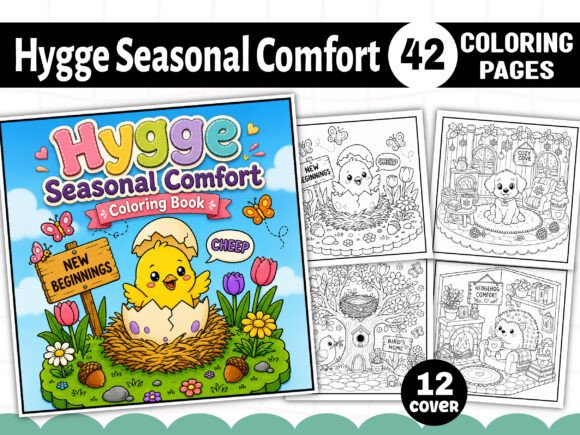
Hygge Seasonal Comfort Coloring Pages
A Designer’s First Glance: Warmth, Simplicity, and Stitch-Ready Potential
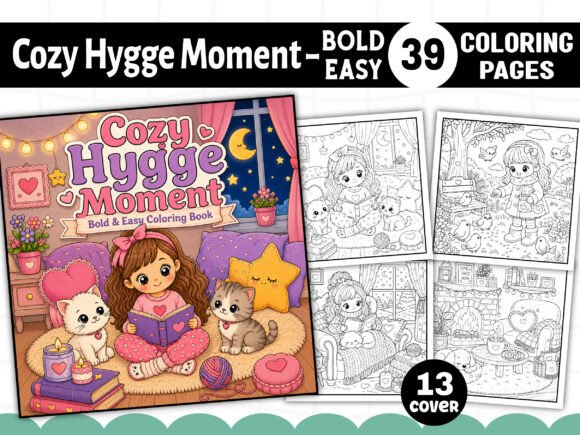
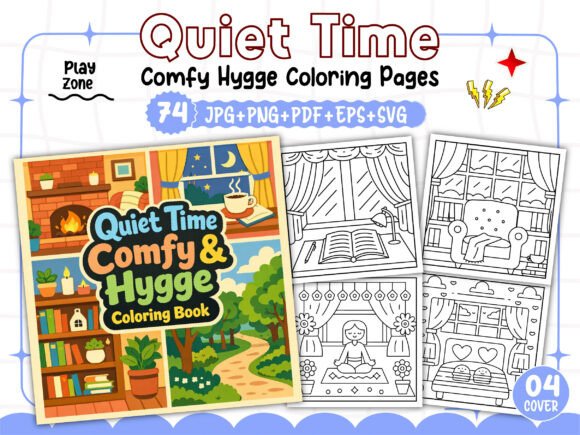
Opening the Hygge Seasonal Comfort Coloring Pages zip file felt like unwrapping a quiet, thoughtful gift—no flashy intros, no overpromising thumbnails. Just clean, high-resolution line art evoking cozy interiors, steaming mugs, knitted throws, bare feet on wooden floors, and soft seasonal motifs like snow-dusted pine boughs or sunlit lavender sprigs. This isn’t bold typography or maximalist illustration—it’s intentional minimalism with breathing room. As an embroidery designer who’s stitched everything from intricate floral monograms to playful kids’ patches, I immediately saw how these pages could translate into tactile, handmade charm: not as literal coloring book scans, but as refined *embroidery foundations*. The lines are consistent in weight, the negative space generous, and the compositions balanced—not too dense, not too sparse. That matters deeply when you’re planning a machine embroidery design for a sweatshirt cuff or a baby onesie chest panel.
Real-World Embroidery Use: Where It Shines (and Where It Needs Care)
Last week, I prepped a custom embroidered tote bag for a local café owner—soft linen canvas, medium-weight stabilizer, and a relaxed, inviting brand voice. I chose one of the Hygge Seasonal Comfort Coloring Pages motifs: a simple mug wrapped in steam curls and a single cinnamon stick. Traced it, digitized loosely with open satin stitch outlines and airy fill stitch backgrounds, and stitched it at 3.8" wide. The result? Calm, legible, and unmistakably handmade—not stiff or overly technical. Customers noticed it immediately. That’s the strength of this collection: its visual personality supports *handmade product* authenticity without demanding perfection from the stitcher.
It works beautifully for:
- Tote bag design and tea towel embroidery—the generous spacing handles fabric movement and repeated washing well;
- Baby embroidery and nursery decor—gentle shapes read clearly even at smaller scales;
- Holiday embroidery and wedding gifts—think linen pillow covers or monogrammed aprons with subtle seasonal warmth;
- Etsy seller mockups and printable mockup assets—the clean lines convert cleanly to digital previews;
- Small shop product branding—pair a simplified motif with your logo for cohesive boutique packaging or tags.
But—and this is where experience kicks in—Hygge Seasonal Comfort Coloring Pages isn’t plug-and-stitch magic. Its delicate linework demands intentionality. On thin fabric like rayon challis or lightweight cotton voile, fine interior details (like tiny leaf veins or mug handle curves) can blur or pucker without proper stabilizer. On dark fabric, low-contrast thread choices will vanish; test those thread colors against black or navy first. And avoid cramming the full page layout onto a curved surface like a cap front—scale down, simplify, or isolate one central element instead.
What It Adds (and Doesn’t Add) to Your Finished Product
This isn’t about “viral appeal” or trend-chasing. It’s about *resonance*. When a customer sees a sweatshirt embroidered with a softened version of the hygge candle-and-book motif, they don’t just see stitching—they feel pause, care, intention. That lifts perceived value. It builds customer trust, especially for personalized gift buyers who want meaning, not mass production. For a craft business, that translates to stronger brand consistency and repeat engagement—people remember how something *felt*, not just how it looked.
That said, don’t expect automatic commercial readiness. These are Graphics, not pre-digitized embroidery files. You’ll need to digitize thoughtfully: adjust stitch density so fills aren’t heavy on breathable fabrics, use running stitch for sketch-like texture where appropriate, and leave room for applique design integration if you plan layered elements. Tiny lettering—like “cozy season” tucked into a corner—won’t survive below ~10mm height without serious cleanup. And while the mood is universal, the execution must match your audience: a teen-focused apparel line might reinterpret the motifs with bolder outlines, while a luxury linen brand would lean into subtle satin stitch gradients.
Practical Embroidery Designer Notes Before You Stitch
Before committing to a client project or bulk production, here’s what I do—and recommend you do—with Hygge Seasonal Comfort Coloring Pages:
- Test on scrap fabric first—especially if using textured fabric or stretchy fabric;
- Check thread color contrast in both natural and artificial light;
- Review stitch density in tight corners and curved areas—over-stuffing distorts the gentle hygge aesthetic;
- Confirm hoop size compatibility early—some motifs scale beautifully to 4×4", others breathe better at 5×7";
- Inspect small details under magnification—what reads as charming in print may vanish when stitched;
- Test in black and white mockups to verify silhouette clarity;
- Compare light and dark fabric backgrounds side-by-side before finalizing;
- Use proper stabilizer—medium-weight cutaway for knits, tear-away for stable wovens;
- Verify licensing before selling finished items or bundling as digital embroidery file assets—this collection is marketed for KDP interior use, so confirm commercial embroidery rights directly with the creator;
- Ask yourself: Does this support my custom apparel story—or does it dilute it?
Final Thought: A Quiet Tool for Meaningful Making
Hygge Seasonal Comfort Coloring Pages won’t shout. It doesn’t need to. In a market saturated with loud graphics and algorithm-chasing trends, its quiet confidence is its greatest asset. Used with care—digitized with respect for fabric behavior, scaled with purpose, and stitched with attention to thread and texture—it becomes more than decoration. It becomes invitation. A reminder that the best embroidery project isn’t just technically sound—it feels like home.