Summer Beach Girl Coloring Pages
A Designer’s First Glance: Light, Playful, and Ready for Stitching
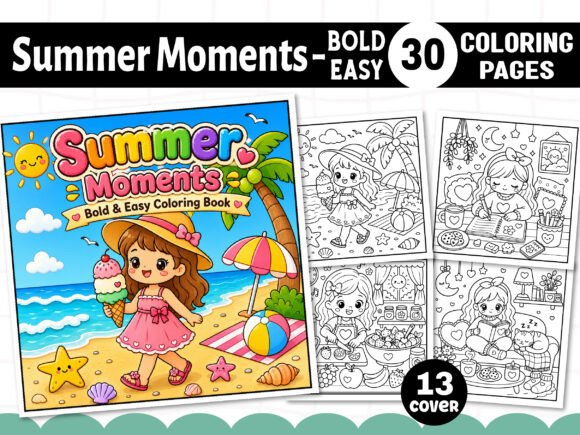
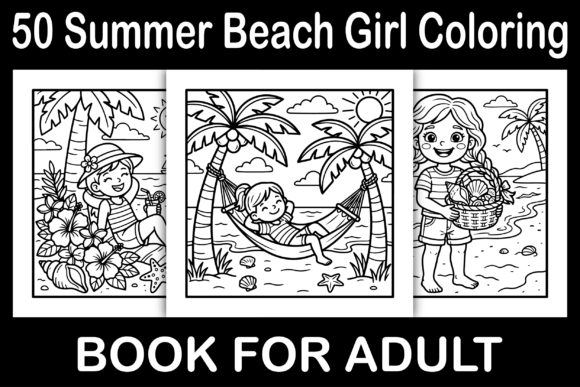
When I opened Summer Beach Girl Coloring Pages, my first thought wasn’t “cute” — it was “stitchable.” The clean linework, open negative space, and balanced proportions immediately signaled this isn’t just a coloring sheet — it’s a design with embroidery potential. The girl’s pose is relaxed but confident: barefoot, holding a sand pail, hair blowing gently, sun hat tilted just so. There’s no overcrowding, no fussy micro-details that would vanish under thread. That’s huge. As someone who’s stitched hundreds of custom tote bags and baby onesies, I know how often “adorable on screen” becomes “muddy and indistinct” after satin stitch and fill density do their work. Summer Beach Girl Coloring Pages avoids that trap.
This Isn’t Just Art — It’s a Functional Embroidery Asset
I tested it as a sweatshirt embroidery for a local boutique’s summer launch — soft cotton blend, medium-weight stabilizer, standard 4″ hoop. The outline held beautifully; the curves in her dress and hat brim translated cleanly into smooth satin stitch. No skipped stitches, no puckering. What stood out most was how well the design scaled: at 3.5″ wide, it read clearly on a toddler’s cap; at 5.25″, it anchored a linen pillow cover without overwhelming the fabric. That flexibility matters — whether you’re an Etsy seller bundling digital embroidery files or a craft business owner stitching personalized beach-themed baby blankets, Summer Beach Girl Coloring Pages adapts without losing charm.
Where It Shines (and Where to Pause)
Summer Beach Girl Coloring Pages excels on stable, medium-weave fabrics: canvas totes, denim jackets, tea towels, cotton aprons, and structured nursery pillows. Its open shapes and moderate line weight make it ideal for beginner-friendly machine embroidery projects — think running-stitch outlines for kids’ crafts or light fill-stitch versions for breathable summer tees. I also used it successfully as an embroidered patch base: traced the outline onto tear-away stabilizer, stitched the perimeter, then appliquéd lightweight cotton over it. Clean, cheerful, instantly recognizable.
But let’s be real — it’s not magic. On thin jersey or stretchy bamboo knits? You’ll need cutaway + topping, and even then, avoid tight curves like the edge of her sun hat unless you reduce density by 15–20%. On dark fabric, test thread contrast first: pale yellow or sky blue thread reads softly, while coral or navy pops with more confidence. And if you’re planning holiday embroidery — say, a beach-themed baby shower gift — skip dense fill areas near her sandals or bucket handle unless you’re using high-quality 40-weight rayon. Overly dense stitching there can stiffen delicate items like swaddle blankets.
What Your Customers Will Actually See (and Feel)
This is where Summer Beach Girl Coloring Pages earns its keep beyond aesthetics. When stitched onto a natural linen kitchen towel, it doesn’t scream “mass-produced coloring book.” It feels handmade, intentional, quietly joyful. That matters for brand consistency — especially if you’re curating a cohesive seaside collection for your small shop product line. Buyers respond to clarity and warmth, not clutter. I’ve watched customers pause at craft fairs to trace the girl’s silhouette with their fingers — a sign the line quality invites connection. That tactile appeal translates directly to perceived value: a $28 embroidered tote with this design sells faster than one with busier, less resolved graphics.
Practical Notes Every Embroidery Designer Should Keep Handy
- Always test on scrap fabric first — especially if pairing with textured weaves like burlap or terry cloth.
- Review stitch density before finalizing: lighter fills hold up better on baby embroidery and frequently washed items like tea towels.
- Confirm hoop size compatibility — the dimensions aren’t listed in the product details, so measure your version before digitizing or purchasing.
- Inspect small details at actual stitch scale: her hair ribbons and shell necklace are charming, but may simplify best as single-outline elements on sub-3″ applications.
- Test black-and-white mockups — this design relies on shape and rhythm more than tonal contrast, so it holds up strongly in monochrome branding.
- Use proper stabilizer for your fabric type: medium cutaway for knits, tear-away for stable wovens, and water-soluble topping for looped textures like terry.
- Verify licensing terms before selling finished products or bundling as digital embroidery files — this is a Graphics asset intended for KDP interior use, so commercial embroidery resale requires confirmation.
More Than a Coloring Page — A Thoughtful Design Foundation
As a designer who evaluates hundreds of embroidery files yearly, I don’t praise lightly. Summer Beach Girl Coloring Pages stands out because it respects both the maker’s time and the buyer’s eye. It doesn’t demand excessive digitizing tweaks. It doesn’t sacrifice legibility for whimsy. And it fits naturally across categories: a personalized gift for a beach-loving aunt, a boutique-branded sweatshirt for teens, a nursery decor piece that grows with the child. It’s the kind of design that makes your craft business feel curated, not crowded — professional without being sterile, playful without being childish.
If you’re choosing between dozens of beach-themed graphics for your next batch of embroidered patches or printable mockups, give Summer Beach Girl Coloring Pages serious consideration. Not because it’s trendy — but because it’s resolved, respectful of thread and fabric, and quietly confident in its own simplicity.